

Objective
With the development of a new green field hospital in a residential suburb, the Queensland Health Department planned to build and operate a separate psychiatric ward that would house prisoners who had entered a “not guilty because of insanity” plea for crimes, or who the State believed were not mentally capable of entering a plea, until they could be fully psychologically assessed. Fearful a public backlash would derail the project, or that it could be later accused of not letting residents know of the existence of the ward, the Queensland Health Department contracted VPR Media & Marketing to devise, implement and manage a crisis management plan.
Strategy
Following consultations with in-house stakeholders – doctors, psychiatrists, architects, hospital administrators, local and State police – to fully understand the need for the ward, and how it operated, VPR recommended a soft, full exposure, public and media awareness campaign. The overall and overriding factor for the campaign was that the ward only be referred to by its technical title – a Mental Health Secure Unit – at all times and by all stake holders, rather than by colloquial or slang “in-house” medical or police terms that would suggest it would house people who were criminally insane and who could be a danger to the public. Media training was held for appointed media and public spokespeople.
Phase One
All local residents and media were invited to town hall meetings which served as a public introduction to all the new hospital’s services. All attendees were given a ‘who to contact for more information or with concerns’ directory. This ensured all questions and complaints in the future would be directed at appointed spokespeople rather than the media or third party activists. It also ensured all relevant internal stakeholders would be made aware of any concerns that arose.
Phase Two
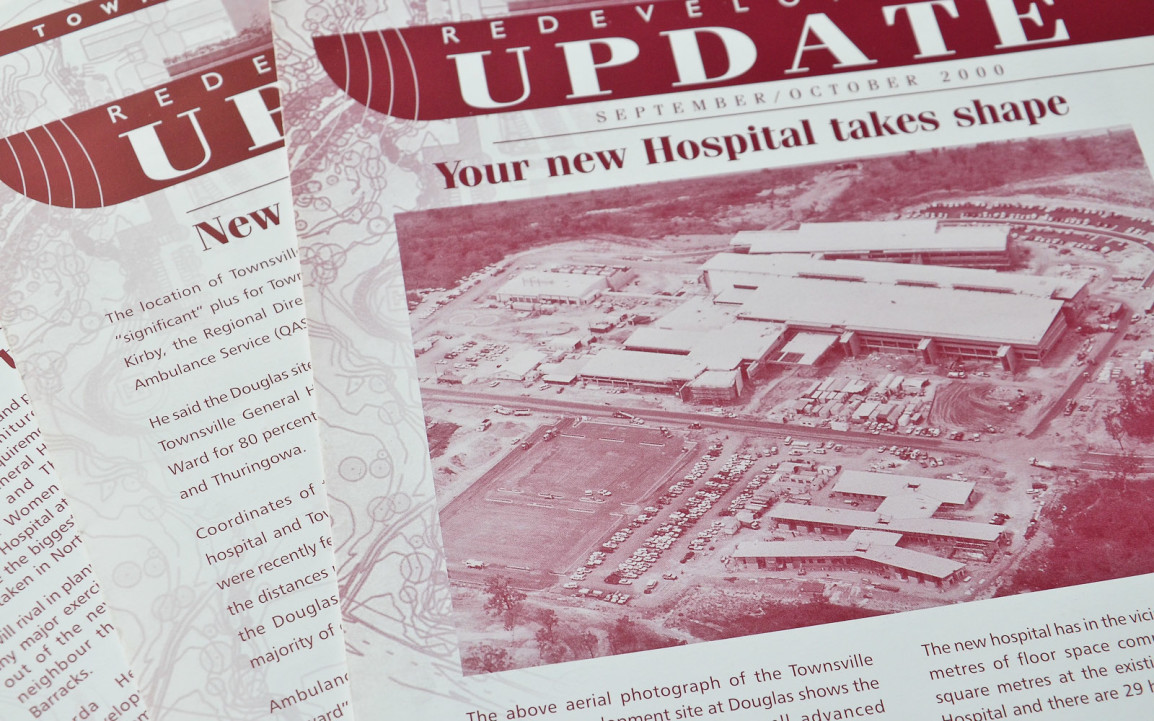
This was aimed at the attendees of the town hall meetings, as they had been identified as those who were interested enough in the project to go out of their way to learn more, or who were most likely to have concerns or criticisms. These people were put on a mailing list for regular updates, were invited to attend update forums, and had previews of open house inspections of the new hospital at various milestone stages of construction. They also received VIP invitations and status, at the official opening of the hospital.
Results
There was very little criticism or concerns raised about the Mental Health Secure Unit apart from those aired at the initial town hall meetings, and in subsequent calls to appointed spokespeople. What criticisms or concerns arose were answered and laid to rest by giving those who were making and expressing them, a sounding board which addressed and alleviated them. There was no media criticism because no one approached them with concerns or complaints. The only media mention of the unit was in an article on the overall services offered by the new hospital.